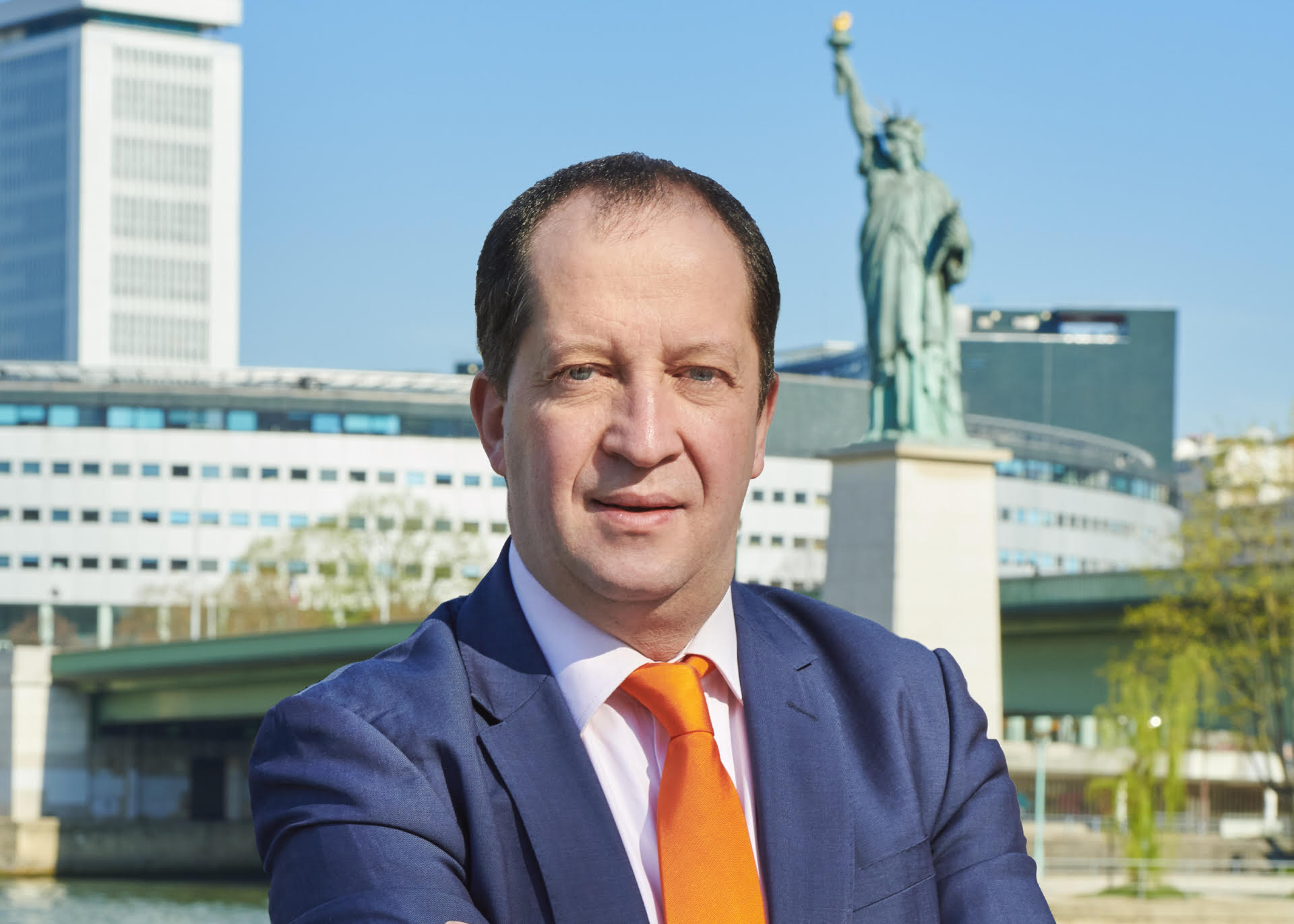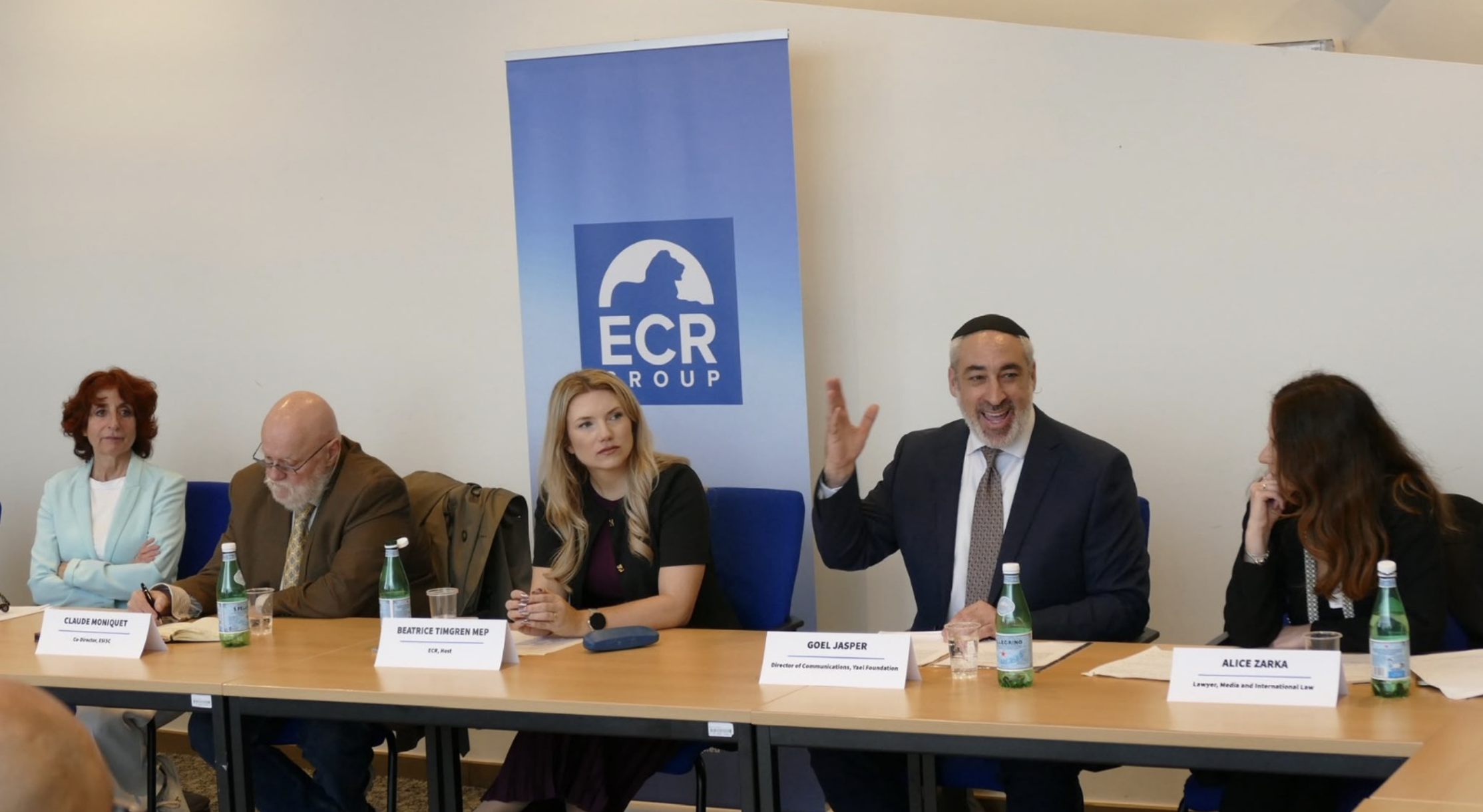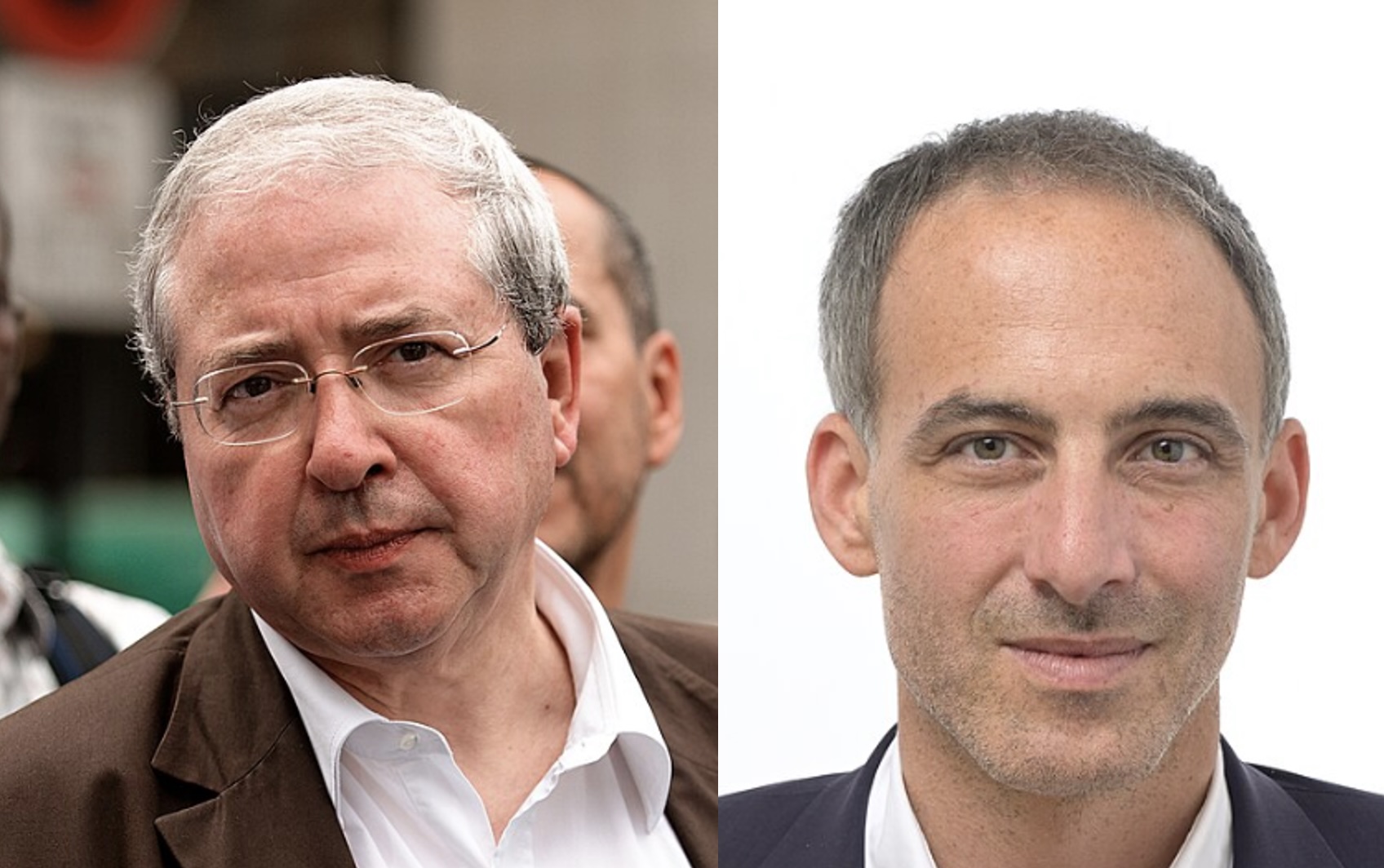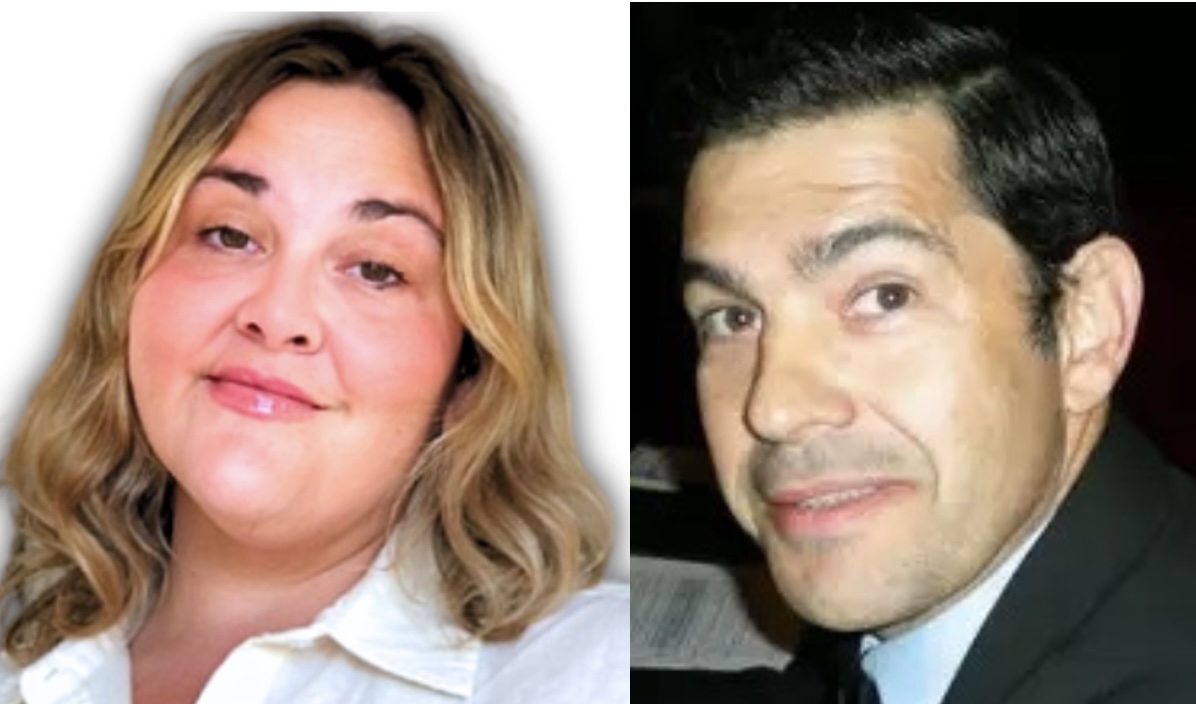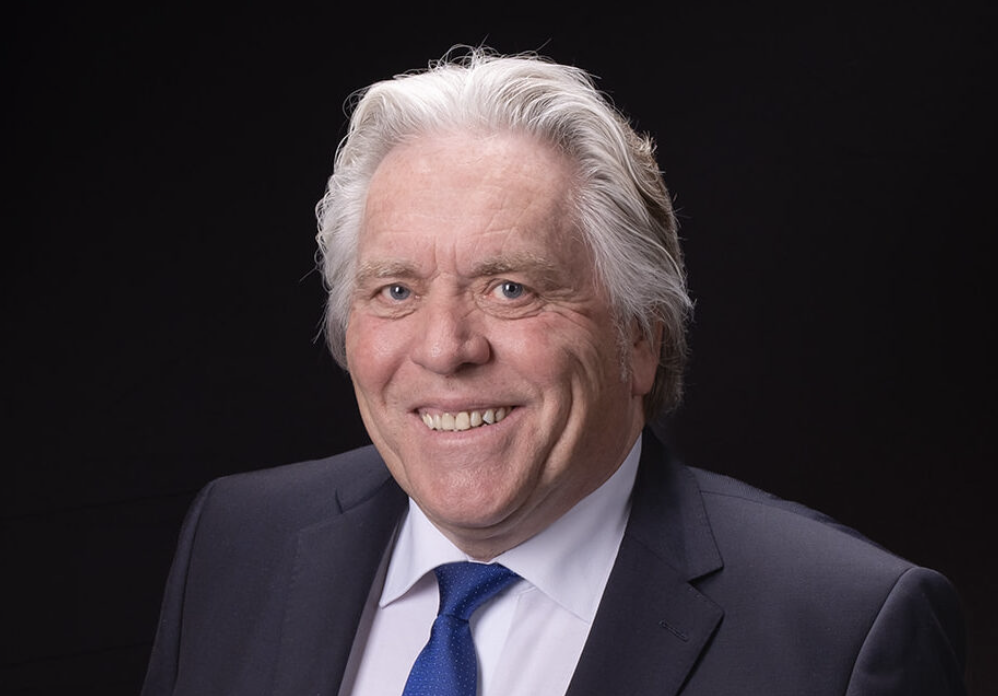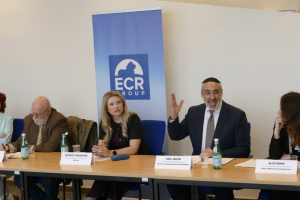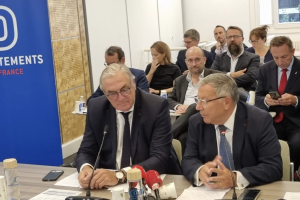




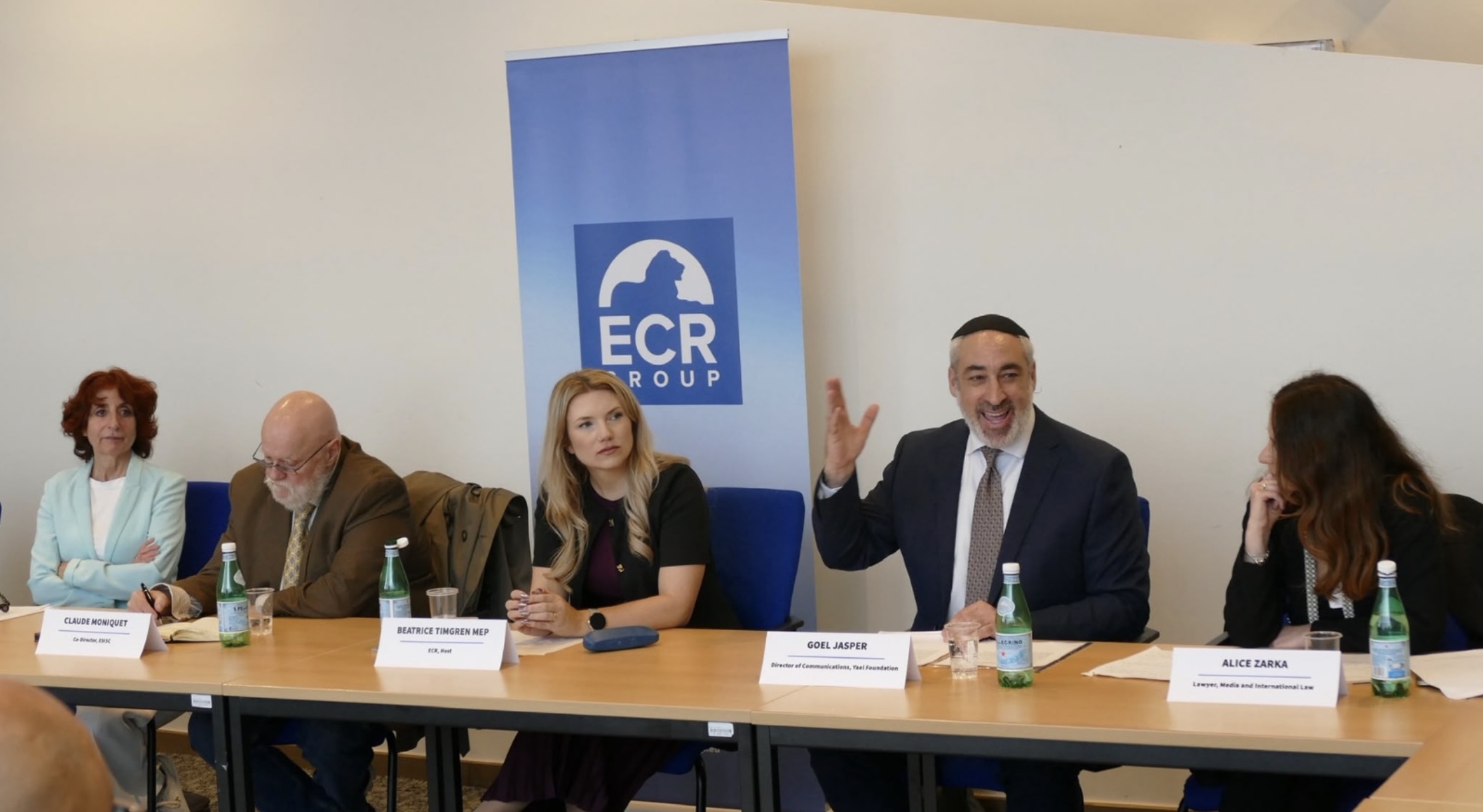
On 14 October last, Claude Moniquet, co-president of ESISC (European Strategic Intelligence and Security Center), consultant (CNEWS and Europe 1) and author*, convened a round table at the European Parliament, together with the Swedish MEP Béatrice Timgren, on « Antisemitism in Europe, Three Years After 7 October. »
Not only did the meeting prove an occasion for rich exchange before a packed hall, but the speakers cast light on Europe’s failure to act against antisemitism, given that it has once again become systemic in its dimensions.
The various speakers analysed the causes behind the vertiginous rise in antisemitism over the past three years, and set out how the European institutions might answer it. Their discussion centred on four themes: determining the origin, – coming, among other places, from abroad, of this « new antisemitism »; ensuring that public funds are not used to support antisemitism or radicalisation; preventing antisemitic ideas from taking root through education; and protecting Jewish persons and communities from harassment, threats and calls to violence.
Béatrice Timgren (ECR Group, European Conservatives and Reformists), who hosted the round table, opened the session by speaking of what she called Europe’s inability to learn the lessons of 7 October. She criticised the demonstrations held in European cities which, in her view, celebrated Hamas while Jewish victims drew but scant sympathy. She likewise called for EU funding to be traced through to its final beneficiaries, subcontractors included, and warned that accusations of Islamophobia must not be allowed to forestall close scrutiny of Islamist organisations and their financing.
« Democracy does not oblige us to finance its enemies »
For Béatrice Timgren: « Three years after 7 October, Europe has still not learned the lessons of that tragedy. After the horrors of the Second World War, we said: ‘Never again.’ And yet here we are once more. The attack of 7 October was the worst massacre of Jews since the Holocaust. When Jews were murdered, they found scarcely a single word of sympathy. Democracy does not oblige us to finance its enemies. Tolerance does not imply capitulation. Millions of European Muslims want security, freedom, a better life, and to integrate into European society, not political Islam. »
The participants accordingly called for swifter action on the part of online platforms and public authorities, for better coordination between jurisdictions, and for effective support to those targeted. They stressed that no one should be a victim of harassment or threats on account of belonging to the Jewish community, and that calls to violence must not be allowed to circulate without a rapid response.
The discussion likewise brought out the need for greater transparency and better accountability in the allocation of EU and Member State funding. The speakers unanimously demanded clear information on the recipients of grants and the objectives of the activities financed, effective monitoring, and independent review wherever there were well-founded concerns. Any measure, they stressed, must rest on evidence and conform to European law and fundamental rights.
Patricia Teitelbaum, president of IMPAC, addressed the origins and financing of antisemitism, and the measures the European Union might take to remedy it: « While Qatar and other Gulf sources have injected billions into networks linked to the Muslim Brotherhood across Europe and the United States for more than 40 years, – financing mosques, youth groups, media outlets, NGOs and educational projects, we cannot be surprised that so many young Europeans today demonise Israel. In Belgium, the biased teaching materials and partial discourses documented by IMPAC have shaped these attitudes in schools for more than 20 years. »
Education was identified as an essential element of any lasting response. The speakers discussed the importance of teaching Jewish history and identity, of helping educators to contend with contemporary antisemitism, and of enabling the young to understand the contribution of Jewish communities to European society.
Goel Jasper, communications director at the Yael Foundation, which finances and supports Jewish schools around the world, spoke of education as a means of strengthening Jewish identity and combating antisemitism. He argued that young Jews must be supported in gaining confidence and in becoming aware of their capacity to make a positive contribution to society: « One cannot solve antisemitism by focusing on antisemitism alone. Antisemitism is a disease of the one who hates, not of the one who is hated. Deep down, we believe that the ultimate antidote to antisemitism is philosemitism. Philosemitism means forming proud, confident and capable Jews, who know they have a formidable opportunity to influence the world for good. Had we spent centuries telling Jewish children how much certain elements of society might hate them, or teaching them to hide beneath a desk, or else to argue with a demonstrator online, we would have built a defensive fortress — but we would have neglected the foundations our future requires… »
« At the Yael Foundation, » he added, « we hold that antisemitism is a disease that afflicts the one who hates, not the one who is hated. It is an obsession of those who find meaning in their lives in the ruin of others. Why should Jewish children let the dark obsessions of such people define their identity? »
Fulfilling the Nazi dream of a Judenrein Europe…
For my own part, I presented a panorama of antisemitism in Europe since 7 October and explained that it is now a hatred very largely imported: « A ‘new antisemitism’ has never ceased to grow, arriving from the Middle East and the Arab world, feeding on anti-Zionism and the Israeli-Palestinian conflict, and propagated in Europe by the radicalised fringe of youth of non-European origin, by the far left and, alas, by certain currents of the traditional left and of the green parties. » I could do no other than conclude on a pessimistic note, speaking of what the consequences of European inaction against antisemitism would be: « Everyone must be aware that it is five minutes to midnight. It is no longer time to confine ourselves to vague condemnations with no effect upon reality. It is time, on the contrary, to act, and decisively. If our governments and the European Union do not respond, if they content themselves with speechifying, the crisis we are living through will have one clear and evident consequence. Since 2023, in Europe, Jews have begun to contemplate leaving their countries. Some have done so, departing for Israel, North America, Australia or elsewhere. And this movement will continue. If the reaction is not firm and unyielding, in 20 years there will remain in Europe only Jewish communities reduced to a minimum, comprising no more than the last optimists, the unthinking, or those too old or too poor to leave. Thus will the Nazi dream be fulfilled: Europe will be Judenrein… »
Alice Zarka, a lawyer at the Paris bar, spoke of concrete cases and the legal challenges posed by coordinated digital attacks: « Such attacks may pursue several objectives, notably harming the economic interests and reputation of businesses and individuals, disseminating hate speech, and destabilising democratic institutions. I wish particularly to draw attention to the way these techniques can be used to revive historical antisemitic stereotypes in modern guise. For example, the tenacious prejudice that Jews control the banking system may now manifest itself in allegations of money laundering or corruption, accompanied by repeated references to the Jewish or Israeli identity of those targeted. »
The Yael Foundation targeted by an online hate campaign
She illustrated her point with a concrete case: « I would cite the case of Uri Poliavich, entrepreneur and co-founder of the Yael Foundation, an organisation dedicated to promoting Jewish education throughout the world. He was the target of a malicious online campaign containing, among other allegations, accusations of money laundering. These accusations are tied to no identified legal proceeding and rest on no evidence that can be substantiated and independently verified. »
Imam Hassen Chalghoumi, president of the Conference of Imams of France, well known for his tireless struggle to establish a pacified, open and tolerant Islam and for his unyielding fight against antisemitism, recalled the concerns relating to extremist ideologies, their influence within civil society and public institutions, and their link to antisemitism: « The Muslim Brotherhood exploits young people’s sense of victimisation, using their suffering to transform it into hatred; they act in the shadows and infiltrate Muslim religious institutions. »
Finally, Cristian Terheș, a Romanian MEP and likewise a member of the ECR Group, spoke of the use of European funds in teaching hatred to young Palestinians and of the payments made by the Palestinian Authority to convicted terrorists and their families: « Three years after the attacks of 7 October, we must call things by their name. Europe had promised itself that this would never happen again, and yet it financed those who teach hatred of Jews. In schools run by the United Nations and financed by European taxpayers, Palestinian children are taught to admire Dalal Mughrabi, who orchestrated the massacre of 38 Israelis, 13 of them children. A child who learns the word ‘martyr’ in his first year of school is not educated for peace, but for hatred. The antisemitism we see today in European streets and on European campuses does not arise out of nowhere. It is taught, it is rewarded and, all too often, it is financed. The Palestinian Authority declared to the whole world that it had put an end to its ‘pay-for-kill’ system. And yet the United States discovered that it had paid out more than 200 million dollars to terrorists and their families in 2025 alone. One cannot reward murder and call it social welfare. Europe was built on Judeo-Christian foundations, on the sanctity of every human life, and the financing of those who glorify the murder of Jews betrays those foundations. If we seriously mean to put an end to the financing of hatred, not a single euro must be paid until the school textbooks have been changed and these payments have ceased. That is what ‘Never again’ means. »
The round table concluded with a call for a coordinated European response, combining rigorous oversight of public funding, effective protection against antisemitic harassment online, legal accountability and lasting investment in education. The participants stressed that public institutions and online platforms must react swiftly when Jewish persons or communities are targeted, and that European funding must be transparent and subject to effective scrutiny.
Only a mobilisation of every European institution will be able to beat back antisemitic hatred. Our idea of establishing 7 October as a World Day Against Antisemitism seeks to serve that end.
Michel Taube Founder of Opinion Internationale and of Ensemble contre la peine de mort (Together Against the Death Penalty)

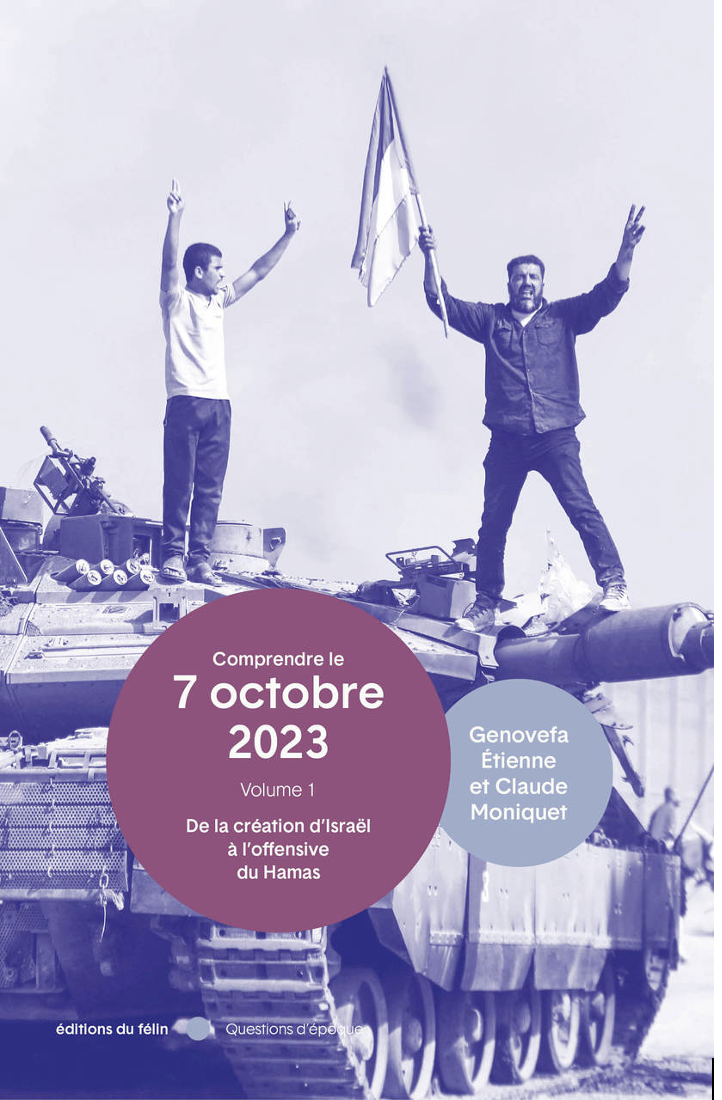
Claude Moniquet’s most recent book: Comprendre le 7 Octobre 2023 (Volume 1: De la création d’Israël à l’offensive du Hamas), Éditions du Félin.