




August 5, 2019, will undoubtedly be remembered as the date of one of the most consequential decisions in modern Indian history. On that day, the Indian Parliament abrogated Articles 370 and 35A of the Constitution, ending the special status enjoyed by Jammu and Kashmir since 1949 and reorganising the former state into two Union Territories: Jammu and Kashmir, and Ladakh.
The decision prompted strong reactions both within India and abroad. Some viewed it as a bold gamble intended to accelerate national integration and the development of this strategically important region. Others feared that it would usher in a prolonged period of instability.
Seven years on, the time has come to make an initial assessment.
From a constitutional exception to full integration
For nearly seven decades, Jammu and Kashmir enjoyed a constitutional status unlike that of any other region in India.
With the abrogation of Articles 370 and 35A, all provisions of the Indian Constitution now apply fully to the territory. Hundreds of national laws concerning social rights, the protection of women, children’s rights, healthcare and education policies, as well as measures supporting disadvantaged communities, are now applicable there.
For Narendra Modi’s government, the primary objective of the reform was to guarantee the people of Jammu and Kashmir the same rights and opportunities as those enjoyed by all other Indian citizens.
Infrastructure is transforming the territory
The changes are perhaps most visible in the field of infrastructure.
Over the past seven years, massive investments have been made in roads, tunnels, bridges, power grids and digital infrastructure.
The Zojila Tunnel, currently under construction, will become one of Asia’s longest road tunnels and provide year-round connectivity between Ladakh and the rest of India, even during the harsh winter months.
The opening of new railway lines and the introduction of Vande Bharat trains are also improving access to a region that long suffered from relative isolation.
For businesses and residents alike, these projects represent far more than feats of engineering: they offer a gateway to new economic opportunities.
A booming tourism industry
Tourism is another illustration of this new momentum.
In 2024, Jammu and Kashmir welcomed more than 23 million visitors, an all-time record.
Iconic destinations such as Gulmarg, Pahalgam and Sonamarg have experienced a resurgence in activity, while hotels, guest houses, restaurants and local craftspeople are benefiting directly from the increase in visitor numbers.
Religious tourism is also growing steadily, driven by pilgrimages to Vaishno Devi and Amarnath.
Despite a temporary slowdown in 2025 following the terrorist attack in Pahalgam, the authorities quickly strengthened security measures in an effort to preserve this vital source of momentum for the local economy.
A new generation of entrepreneurs
One of the least publicised changes concerns entrepreneurship.
Start-up support programmes, university incubators, digital platforms and funding schemes are enabling a new generation of young entrepreneurs to develop projects across a wide range of sectors, including high-value agriculture, tourism, digital technologies, handicrafts and e-commerce.
The expansion of digital infrastructure is also encouraging the emergence of new services, including in rural areas.
Education, healthcare and inclusion
The Indian government also points to improvements in public services.
New higher-education institutions have been established, hospital infrastructure has been modernised, and several national health-insurance programmes now provide full coverage to residents of the region.
Women now enjoy the same legal protections as in the rest of the country, particularly with regard to inheritance and property rights, as well as access to social welfare programmes.
Historically marginalised communities, including Scheduled Tribes and Other Backward Classes, now benefit from the full range of national affirmative-action policies.
An improving security environment
Security naturally remains a major concern.
The challenges have not disappeared, and terrorist attacks continue, sadly, to highlight the region’s vulnerability.
Nevertheless, the authorities point to a significant decline in several indicators of violence compared with the previous decade, while economic activity and daily life have gradually returned to a greater degree of normality.
The elections held in 2024 also marked an important milestone in the restoration of the local democratic process.
Narendra Modi’s gamble
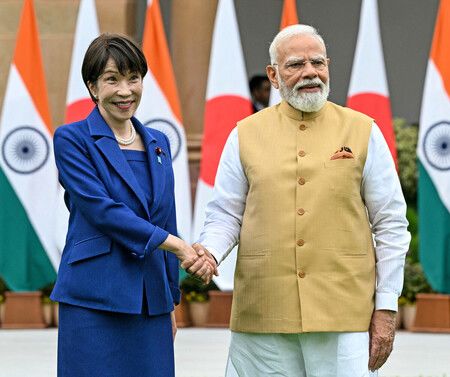
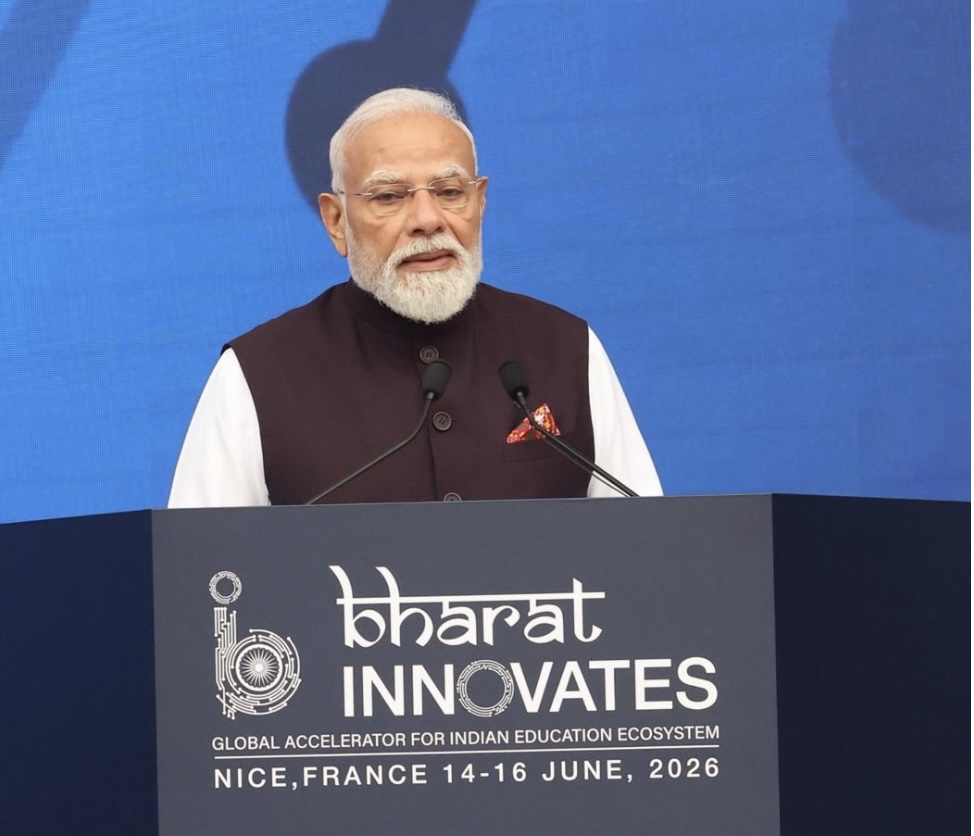
For Narendra Modi, August 5, 2019, represents one of the defining reforms of his political career.
The Prime Minister regularly argues that the decision was intended to end an exceptional arrangement that, in his view, had hindered the region’s economic development, private investment and institutional integration.
In 2025, the year marking the 125th anniversary of the birth of Dr Syama Prasad Mookerjee, a historic figure who advocated the full integration of Jammu and Kashmir into the Indian Union, the government gave the reform additional symbolic significance.
The time for development
The political debate is far from over.
Some sections of the local political establishment continue to call for the restoration of statehood to Jammu and Kashmir, a commitment that the Indian government has reaffirmed for the future. Others still dispute the 2019 decision itself.
Yet beyond these disagreements, one reality is becoming increasingly difficult to ignore.
Public investment has accelerated. Infrastructure is being modernised. Tourism has reached historic levels. Social programmes now benefit the entire population. Young people have access to more opportunities in education, entrepreneurship and the digital economy.
Kashmir can no longer be reduced solely to the tensions that have shaped its international image for so long.
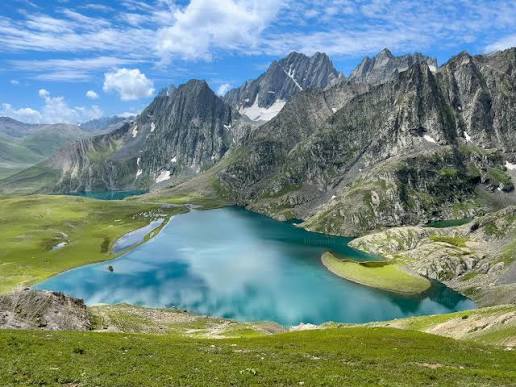
It is also beginning to tell a different story: that of a region seeking to transform its immense natural, human and cultural assets into engines of development.
The gamble made on August 5, 2019, has obviously not answered every question. Seven years is a short period in the history of a territory as complex as this one.
But it is long enough to see that a new dynamic is at work. In the years ahead, the true success of this historic reform will undoubtedly be judged by its ability to deliver lasting improvements to the daily lives of the region’s inhabitants.
Opinion Internationale