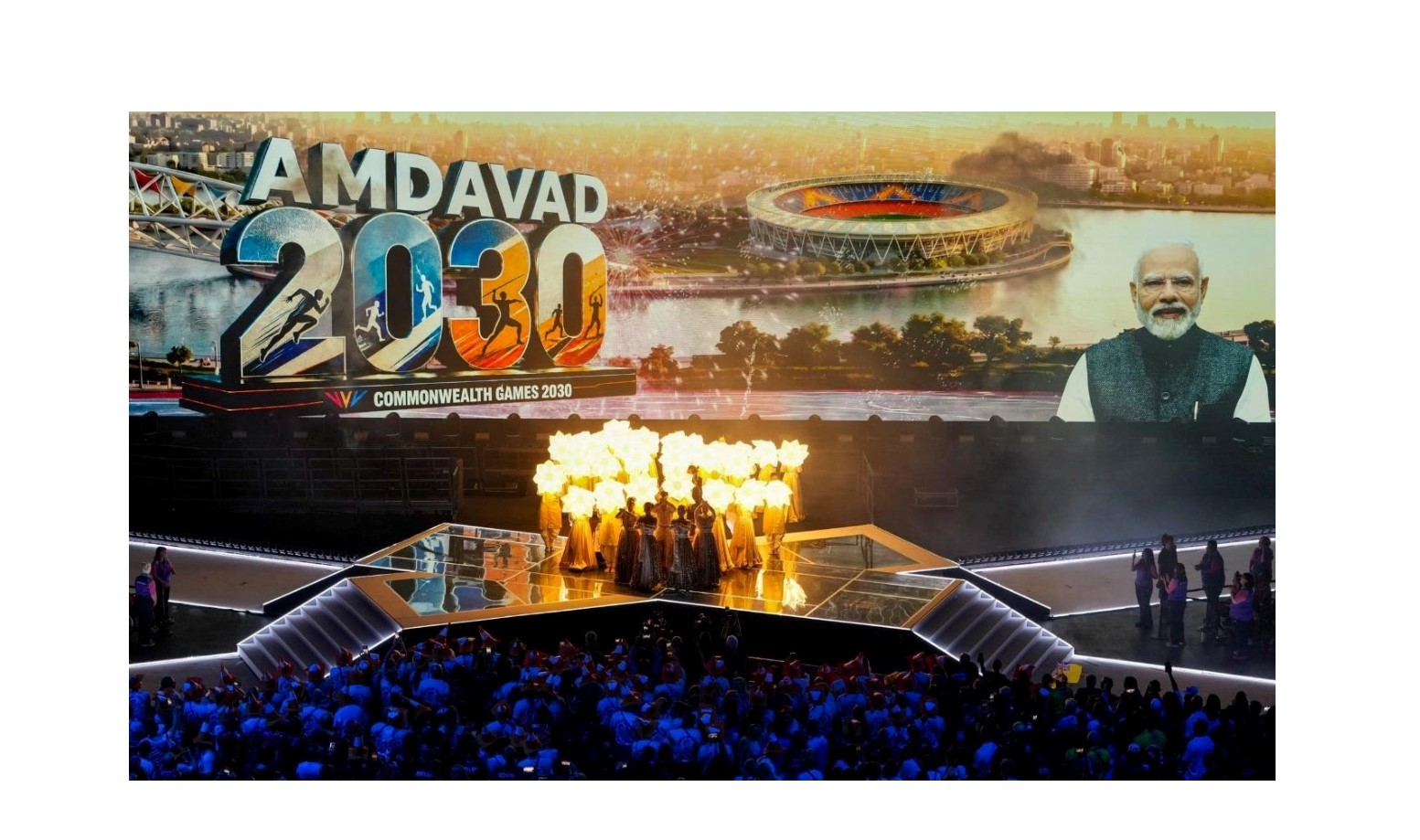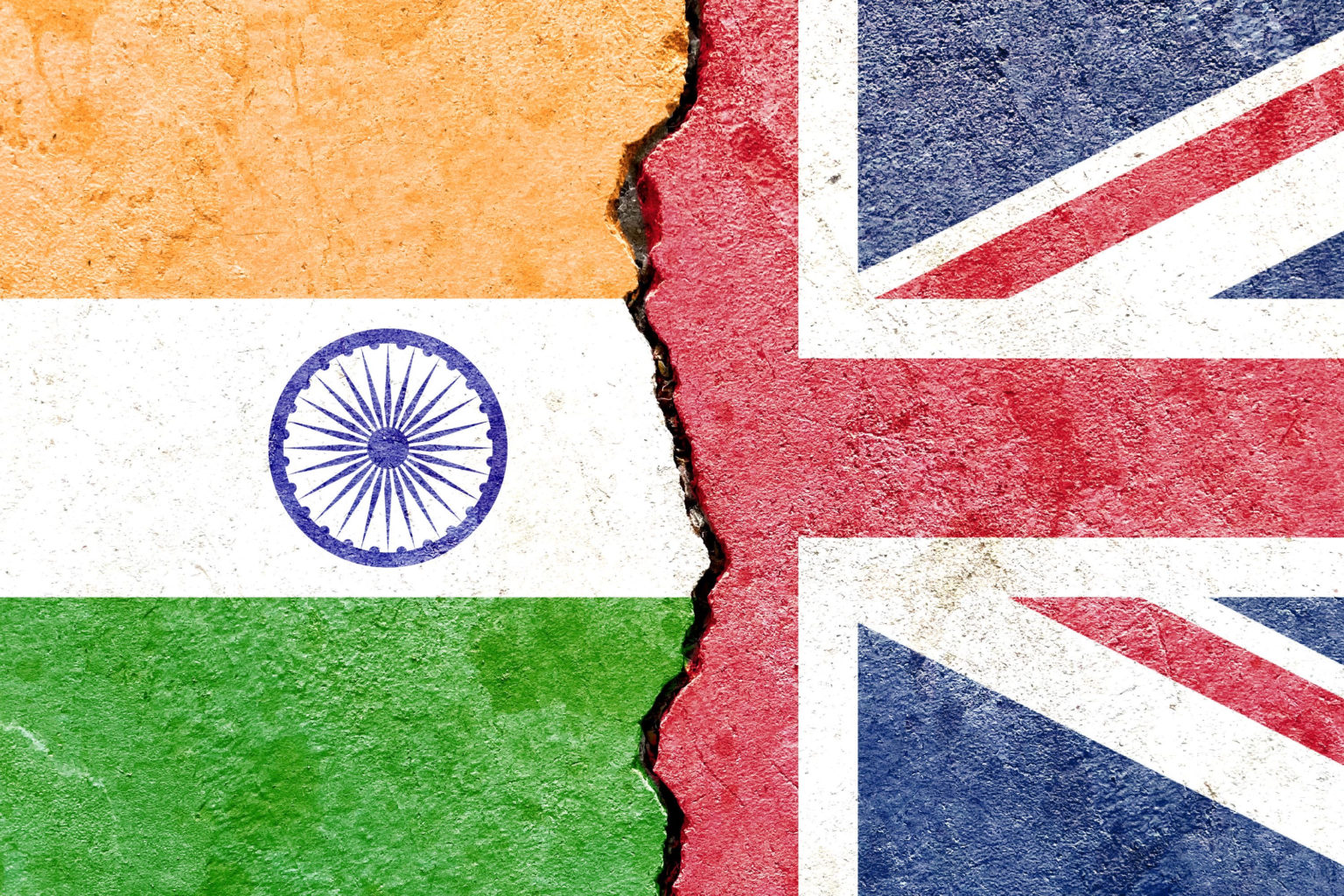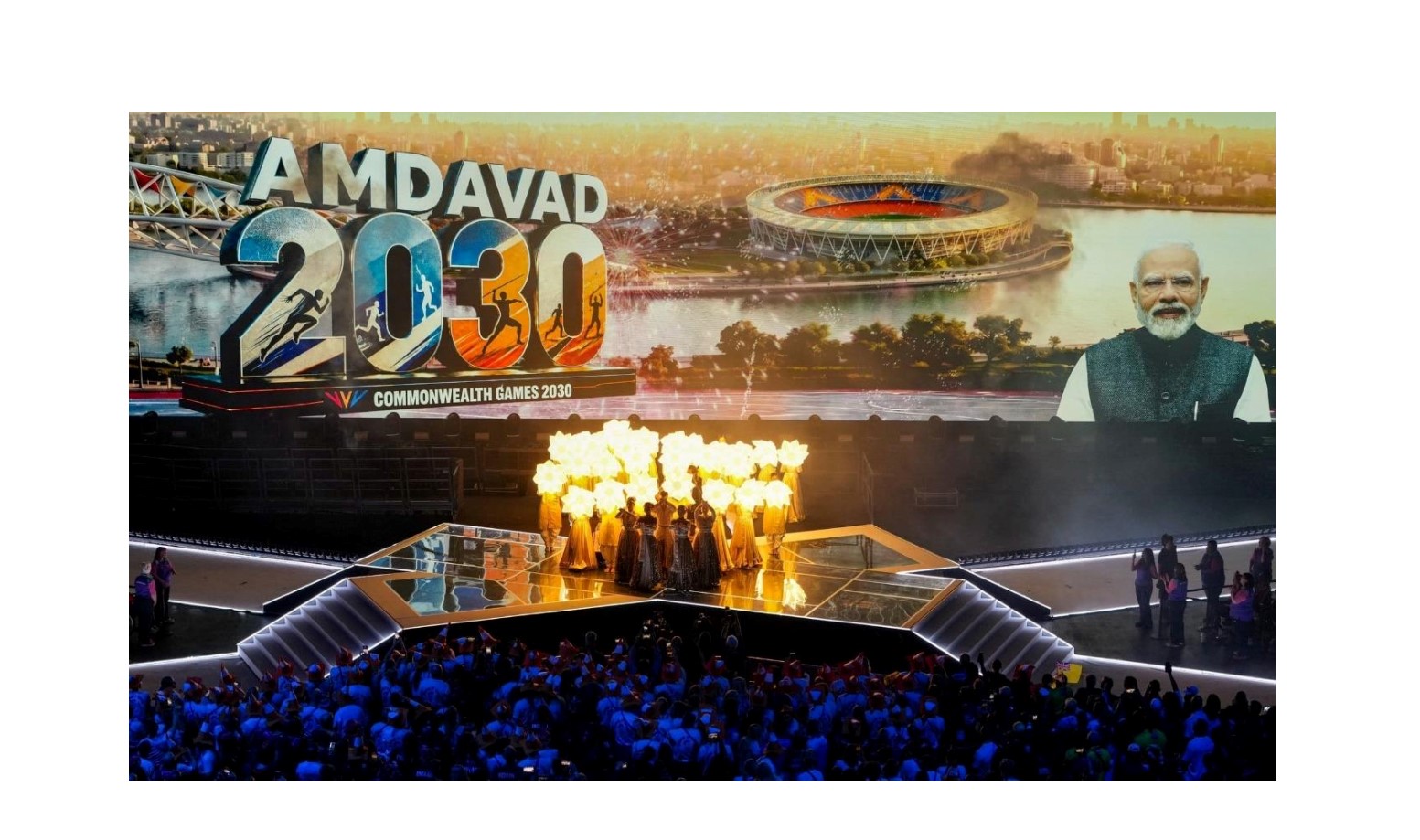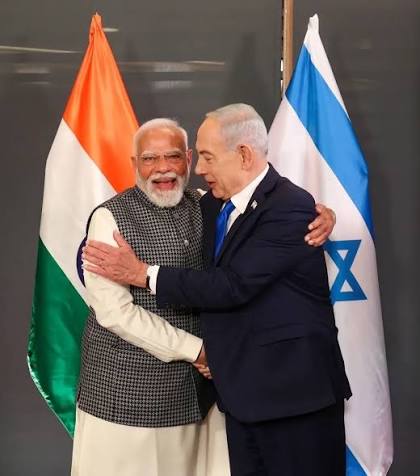




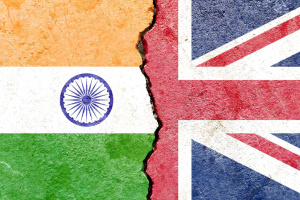
The entry into force of the free trade agreement between India and the United Kingdom on 15 July 2026 is a political milestone.
Behind the tariff reductions and technical annexes, a geopolitical reality is emerging: India has become one of the world’s most sought-after economic partners.
After more than three years of negotiations, which began in January 2022, London and New Delhi signed their Comprehensive Economic and Trade Agreement (CETA) on 24 July 2025. One year later, the treaty is now fully operational.
The United Kingdom is currently the sixth-largest foreign investor in India and one of New Delhi’s leading European economic partners.
Bilateral trade in goods and services now exceeds $60 billion a year, with both countries openly aiming to surpass the $100 billion threshold in the near future.
According to British estimates, the agreement is eventually expected to generate an additional £25.5 billion in annual trade, while increasing UK GDP by £4.8 billion and India’s GDP by £5.1 billion.
These figures are considerable.
They reflect less the size of the British market than the weight the Indian economy has now acquired.
India is gradually opening its market
The agreement provides for an unprecedented degree of trade liberalisation between the two countries.
Upon its entry into force, the United Kingdom is removing customs duties on 96.8% of tariff lines, covering nearly 98% of the value of Indian exports to the British market. In practice, Indian exporters of textiles, leather goods, food products, jewellery, chemicals and industrial components will enjoy almost entirely tariff-free access to the UK market.
In return, India is immediately reducing customs duties on more than 64% of British products, with the gradual liberalisation of more than 85% of trade over the medium term.
The main British beneficiaries will include premium vehicles, industrial equipment, financial services, higher education and Scotland’s renowned whiskies, for which customs duties will gradually fall from 150% to 40%.
Post-Brexit Britain needed an agreement with the world’s largest democracy just as much as India wanted to secure access to one of the world’s leading financial markets.
Meanwhile, as the United Kingdom finalised its agreement, the European Union and India also reached a historic milestone by concluding negotiations on their own free trade agreement on 27 January 2026, after nearly twenty years of sometimes difficult discussions. European Commission President Ursula von der Leyen went so far as to describe it as the “mother of all trade agreements”. The European Union is already India’s largest trading partner, with more than €120 billion in trade in goods in 2024, in addition to nearly €60 billion in services.
Through these agreements, India is opening itself further to free trade, while an Indo-European axis is emerging as a major force in the global geo-economy.
Opinion Internationale