



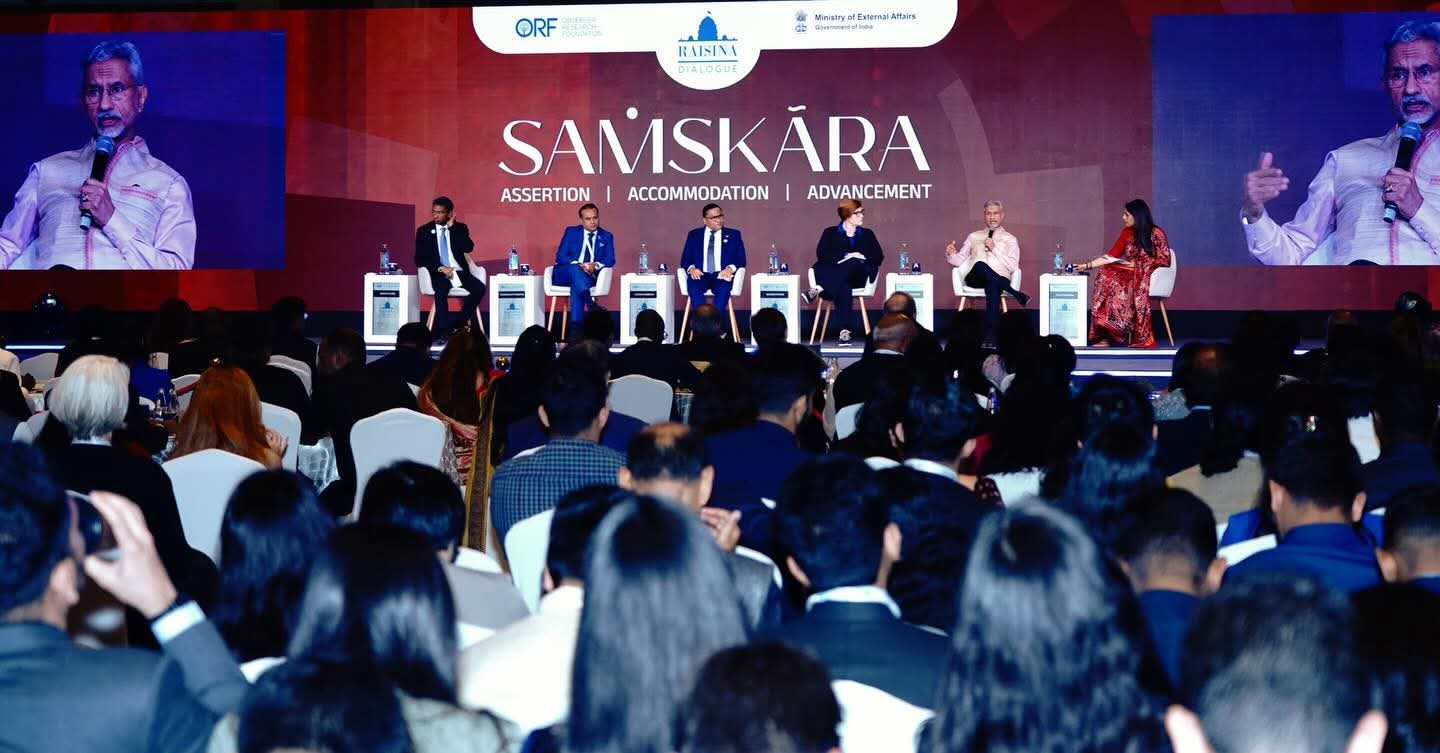
The Raisina Dialogue 2026, held in New Delhi from March 5 to 7, confirmed a reality that many diplomats already sense—though they do not always express it openly: India is no longer merely an “emerging power,” but a central stage where the world now comes to debate, negotiate and discreetly recalibrate its strategies.
More than 2,700 participants from around 110 countries gathered in the Indian capital for this leading conference devoted to geopolitics and geoeconomics. This year’s theme, “Saṁskāra: Assertion, Adaptation, Progress,” reflected both India’s own trajectory and the mindset of a world struggling to adjust to multiple, intertwined crises.
In just a few years, the Raisina Dialogue has become New Delhi’s counterpart to the forums of Munich or Davos—yet with a distinctly Indian tone.
Leaders, ministers, security officials, CEOs, academics and journalists debated the shifting balance of power in a multipolar world; the pressures of climate change and competition for resources; the race for dominance in artificial intelligence and critical technologies; the fragility of supply chains and the weaponization of interdependence; and the future of global governance in an increasingly fragmented system.
What distinguishes the Raisina Dialogue from many Western conferences is the space given to voices from the Global South, which in New Delhi stand on equal footing with Western and Asian powers.
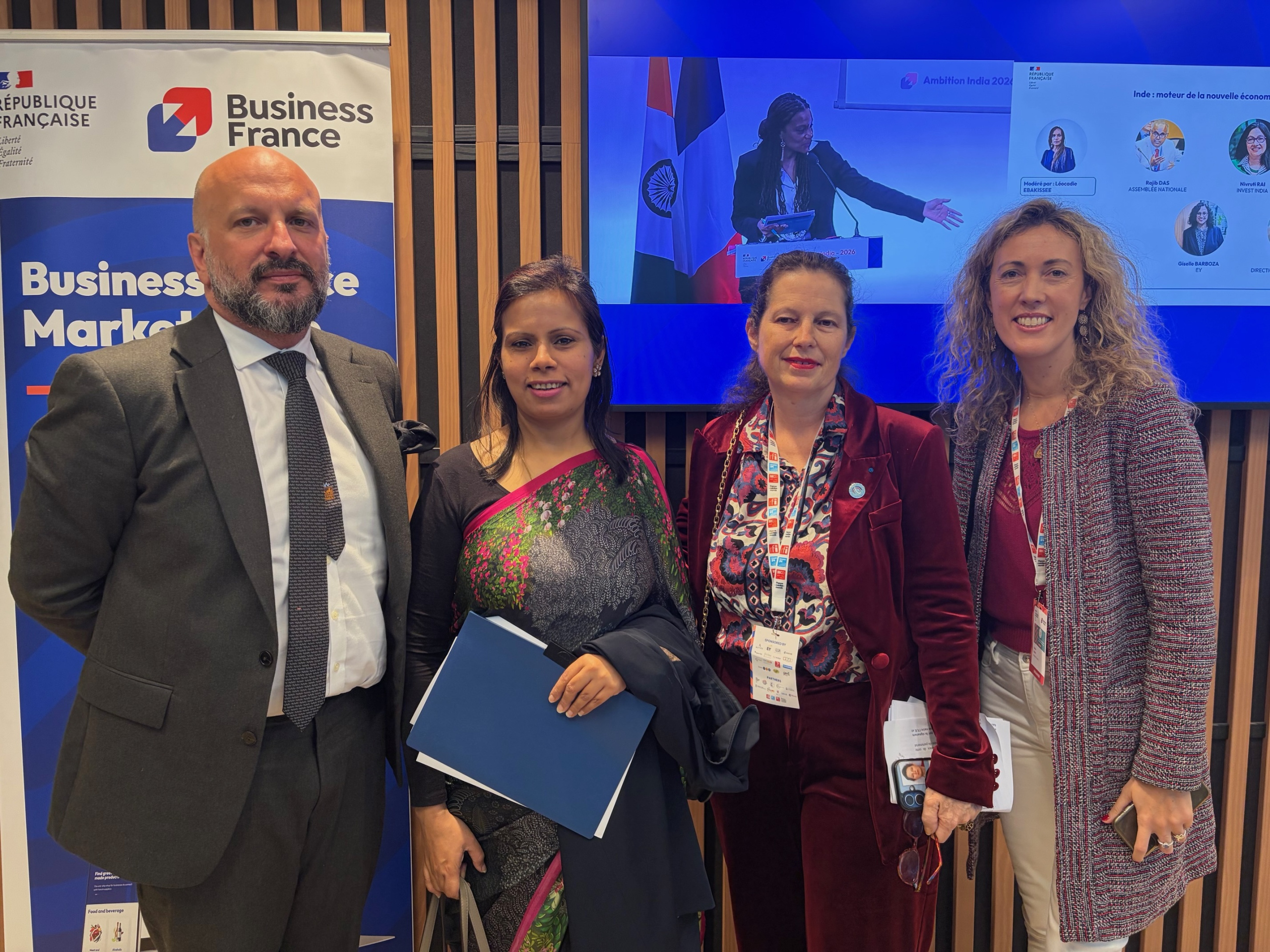
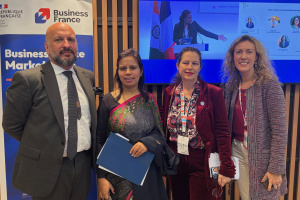
France was represented by several prominent figures, including Benjamin Haddad, Minister Delegate for Europe; Philippe Varin, Chairman of the International Chamber of Commerce; Luis Vassy, President of Sciences Po Paris; Guillaume Ollagnier, Director General for International Relations and Strategy; Alexander Bohmer, Head of the South and Southeast Asia Division; Ayumi Moore Aoki, Executive Director of the Tech Diplomacy Forum; and Alisée Pornet, Senior Adviser at the French Development Agency (AFD).
Raisina Dialogue 2026 was far more than a diplomatic showcase for India. It served as a barometer of how the non-Western world interprets current crises—and as a reminder that many of today’s major strategic debates are no longer confined to Washington, Brussels or Munich.
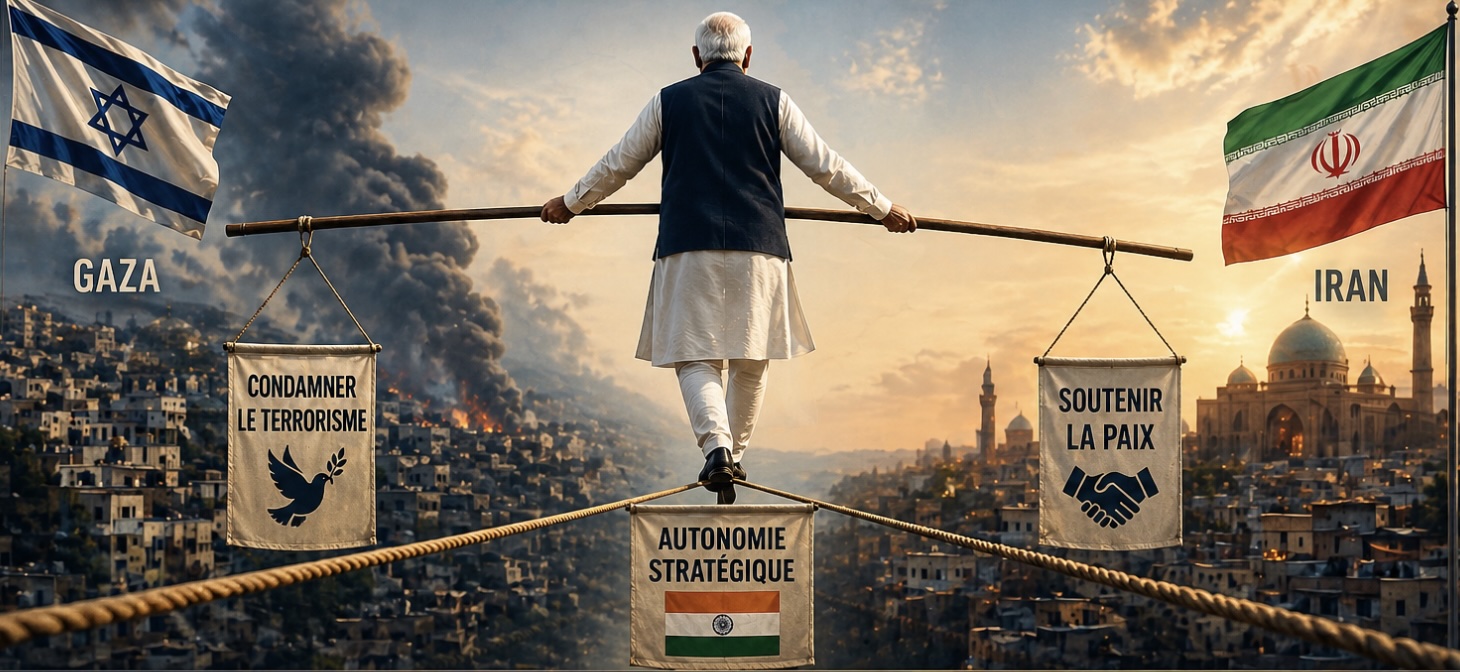
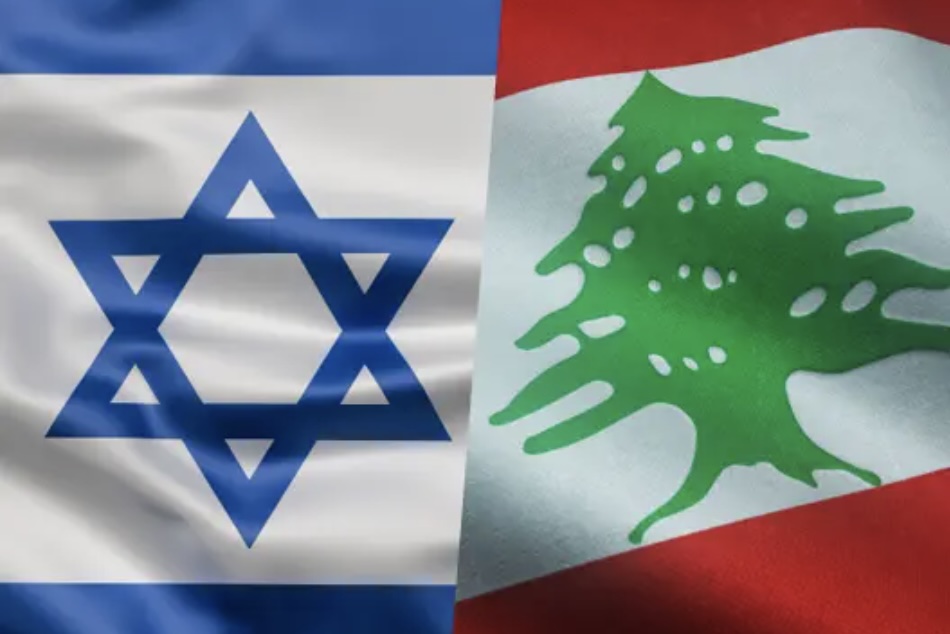
The war involving Iran and the alliance of Israel and the United States was present in nearly every conversation. The Raisina Dialogue transformed the concerns surrounding it into a broader reflection on the speed with which “local” wars now become global, and on the growing fragility of the old security architecture. In this sense, the Raisina Dialogue has become a full-fledged instrument of Indian diplomacy.
India, a “Bridge Nation”
India now sits at the table of Western forums, BRICS gatherings and Global South summits, while simultaneously inviting these different worlds to New Delhi under the banner of the Raisina Dialogue. For France, which seeks to strengthen its strategic autonomy within a more sovereign Europe, India appears as a natural partner in building a more balanced and less dependent international architecture.
To understand the evolving world—whether in terms of war and peace in West Asia, energy and maritime routes, emerging technologies or the role of the Global South—listening to what is said in New Delhi is becoming as essential as following debates in Berlin, Brussels or Paris.
India is not merely reacting to a changing world; it is helping to shape how that world will manage its crises. Raisina Dialogue 2026 offers yet another demonstration of this reality: the road toward tomorrow’s world order increasingly passes through New Delhi.
Michel Taube