



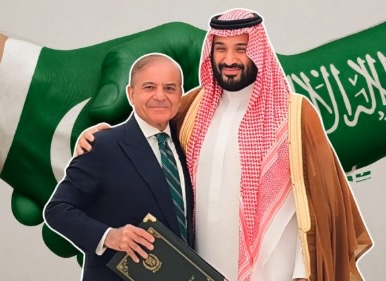
In recent weeks, a growing narrative has emerged around Pakistan’s tensions with Afghanistan. However, a closer examination suggests that the so-called conflict may be less about genuine security concerns and more about strategic distraction. According to several observers, Pakistan’s military establishment may be amplifying tensions with Afghanistan to avoid fulfilling commitments under the Saudi Military Defence Agreement (SMDA).
The SMDA was designed to ensure that Pakistan would provide meaningful military support to Saudi Arabia in the event of major regional security threats. With tensions in the Middle East rising and concerns about potential Iranian military action against Saudi Arabia, the agreement has come under renewed scrutiny. Riyadh reportedly expects Islamabad to honour its obligations by committing credible military resources to the kingdom’s defence.
Yet Pakistan appears reluctant to take that step.
Reports indicate that Saudi Arabia’s Crown Prince has been requesting Pakistan’s establishment to engage in discussions on the country’s role within the SMDA framework. During these talks, Saudi leadership has reportedly urged Pakistan to clearly outline how it would support Saudi defence in the event of further regional escalation. However, Pakistan’s response has largely remained limited to cautious diplomatic language and general assurances, without offering specific or concrete commitments.
Some analysts believe Pakistan may be using the tensions with Afghanistan as a reason. By showing that there is already a serious and possibly growing situation on its western border, Pakistan can say its military is busy and cannot send forces to other places.
This narrative allows Islamabad to maintain the appearance of engagement with Saudi security concerns while avoiding the political and military risks of direct involvement in a possible conflict involving Iran.
It is often claimed that additional troops and air defence systems have been deployed to Saudi Arabia. However, critics argue that these moves are largely symbolic. Pakistan has maintained a modest military presence in the kingdom for decades as part of ongoing cooperation, primarily focused on training and advisory roles rather than active combat.
As a result, portraying these long-standing arrangements as new or significant contributions under the SMDA framework appears to be aimed more at shaping perceptions than reflecting any meaningful change in military commitment.
Some critics go even further. They believe Pakistan may not have been fully serious about the defence role expected under the SMDA. Instead, the agreement may have been used mainly to keep strong financial and political ties with Saudi Arabia. For many years, Saudi financial support has helped Pakistan’s economy and strengthened its strategic relationships.
In this interpretation, the agreement allowed Pakistan’s military and political elites to leverage Saudi goodwill and financial support without necessarily preparing for the full responsibilities that such a defence commitment would entail.
If this view is correct, it suggests a growing gap between what Saudi Arabia expects and what Pakistan intends to do. Saudi Arabia seems to want clear and dependable support as the region becomes more unstable. Pakistan, on the other hand, appears to be trying to avoid getting directly involved in Middle Eastern conflicts.
It is still unclear whether the tensions with Afghanistan are a real security issue or being used as a convenient excuse. What is clear, however, is that Pakistan is finding it harder to avoid questions about its commitment to the Saudi Military Defence Agreement.
Emma Ray