




Priorité à la paix : l’Inde appelle à la retenue et à la protection des civils dans la crise Iran–États-Unis–Israël
As tensions intensify in the Middle East amid the escalating confrontation between the United States, Israel, and Iran, India has adopted a carefully calibrated diplomatic posture.
New Delhi’s official statements and outreach by Prime Minister Narendra Modi and External Affairs Minister S. Jaishankar reflect not only strategic calculation, but also a pronounced concern for humanitarian stability.
At the heart of India’s response lies a commitment to preventing further loss of civilian life, preserving regional stability, and maintaining dialogue in an increasingly polarised environment.
Expressing Concern and Prioritising Civilian Safety
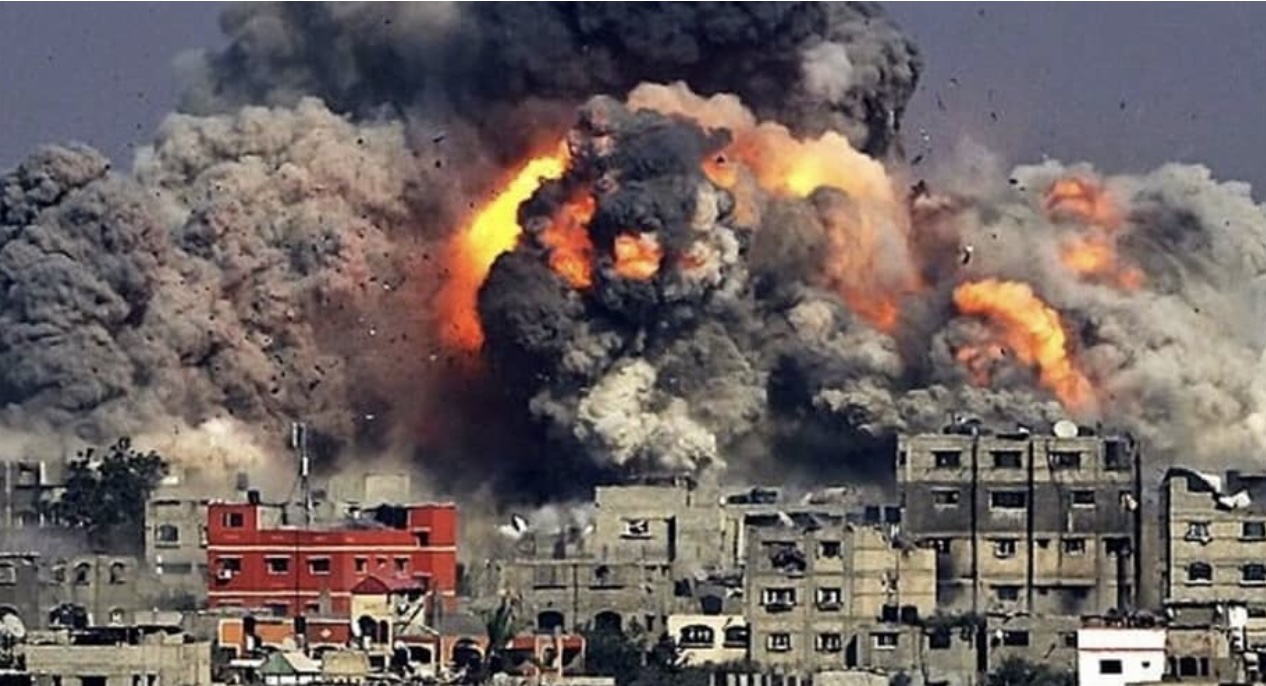
Prime Minister Modi has described the unfolding crisis in the Middle East as a matter of “grave concern,” underlining that continued escalation risks deepening humanitarian suffering and destabilising an already fragile region.
Prime Minister Modi held dialogues with several leaders of the Middle East including Prime Minister of Israel, Benjamin Netanyahu; President of the United Arab Emirates, Mohamed bin Zayed Al Nahyan; Crown Prince of Saudi Arabia, Mohammed bin Salman Al Saud; King of Bahrain, Hamad bin Isa Al Khalifa. He conveyed India’s concerns regarding rising hostilities and stressed the urgent need to prevent civilian casualties and protect critical infrastructure.
India’s balanced tone reflects a deliberate effort to lower tensions rather than amplify them.
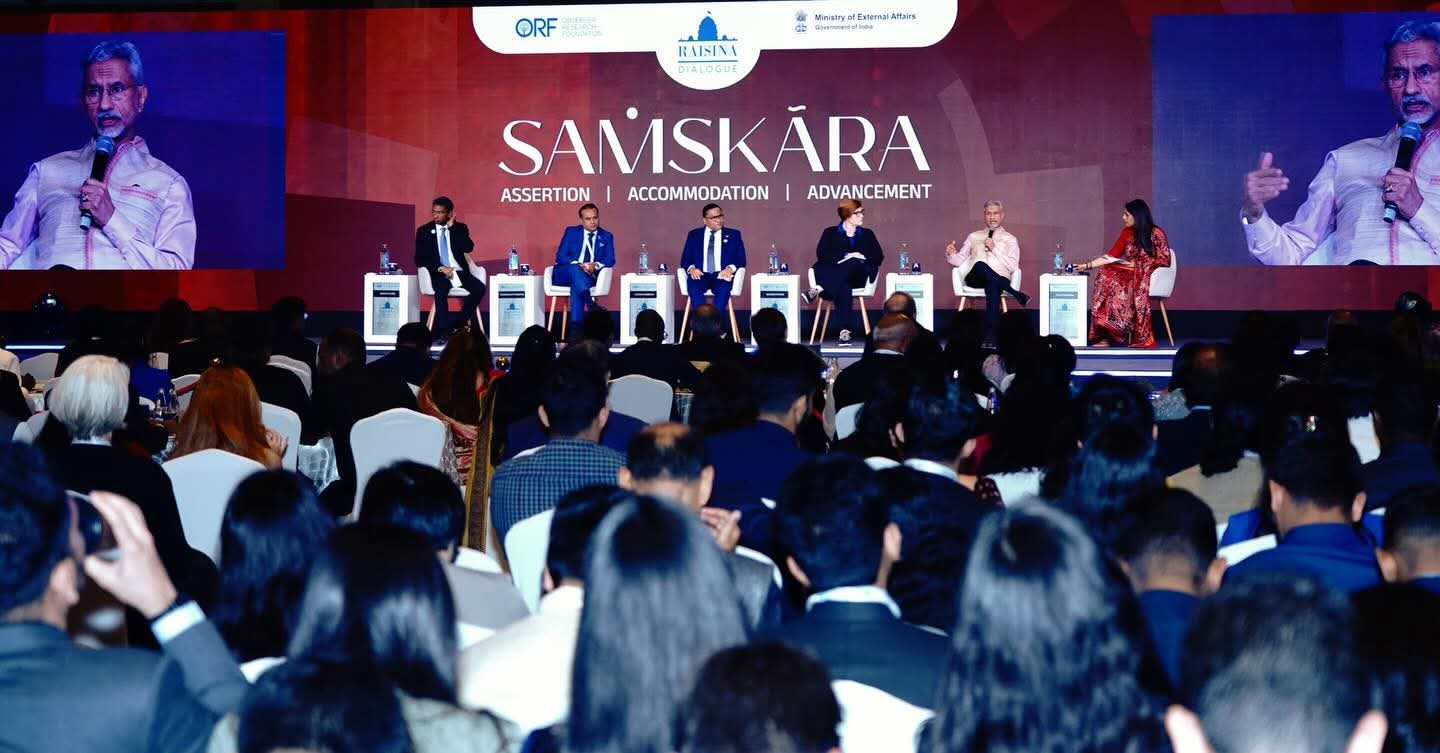
External Affairs Minister Jaishankar has echoed this position in diplomatic interactions, emphasising that conflicts in the region carry global repercussions, from humanitarian displacement to economic volatility and energy insecurity, affecting not only the Middle East but Europe and the wider international community.
Humanitarian Vigilance and Responsibility
While India remains attentive to the safety of its citizens in the region, its official posture extends beyond consular considerations. New Delhi has framed the crisis as one with profound humanitarian consequences, calling for the safeguarding of civilians irrespective of nationality.
Indian missions in the region have been instructed to remain alert and responsive, reflecting a broader principle that governments bear a responsibility to protect human life during times of conflict. At the same time, India has avoided measures or rhetoric that could be perceived as partisan, seeking instead to preserve space for diplomacy.
Strategic Autonomy Guided by a Human-Centric Vision
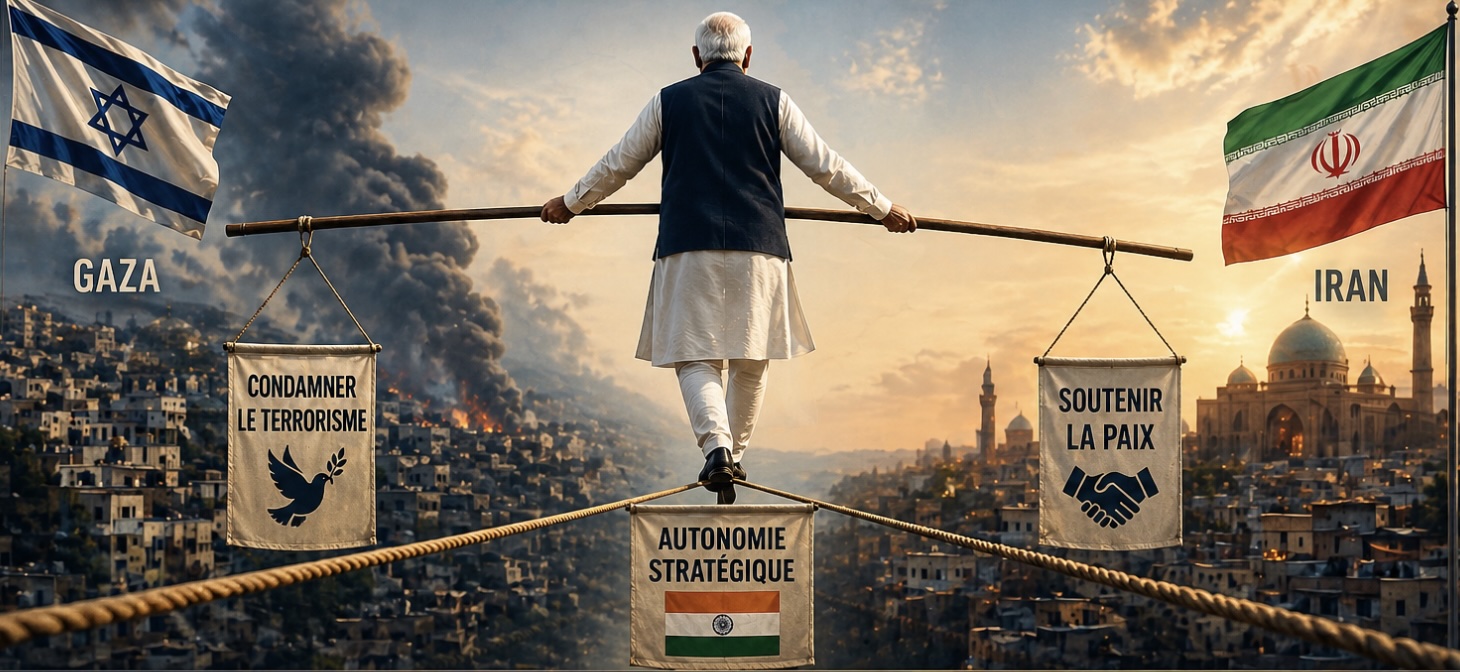
India’s response to the Iran-US-Israel confrontation illustrates its doctrine of strategic autonomy, maintaining relations with all sides while avoiding entanglement in bloc politics.
New Delhi maintains strong defence and technological ties with Israel, longstanding civilisational and energy links with Iran, and vital economic partnerships across the Gulf.
Yet, in the present crisis, New Delhi has placed humanitarian stability and de-escalation at the forefront of its messaging.
This emphasis resonates with the philosophy India articulated during its presidency of the G20 under the theme “Vasudhaiva Kutumbakam”, One Earth, One Family, One Future. The concept underscores the interconnectedness of nations and the moral imperative to prioritise collective well-being over confrontation.
India’s stance reflects not indifference, but prudence: a belief that durable security emerges from restraint, dialogue, and the protection of civilians. In a conflict marked by rapid escalation and geopolitical rivalry, New Delhi’s position signals its aspiration to act as a stabilising force, one that foregrounds human life, regional balance, and the shared responsibility of nations to prevent further tragedy.
Michel Taube