



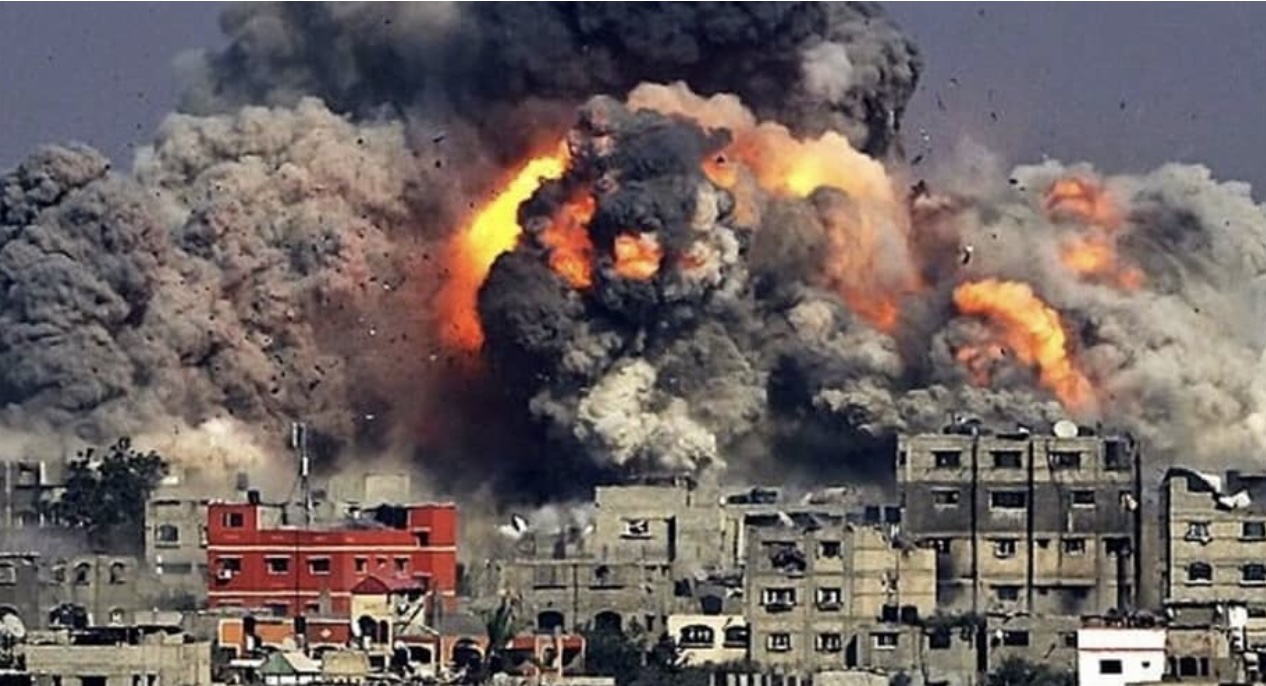
India hosted the Raisina Dialogue 2026 in early March, a conference that unfolded in the shadow of the ongoing confrontation involving the United States, Israel and Iran, with the Gulf and the wider region of West Asia as its main theatre.
Speakers at what is often called the “Indian Davos” described the situation not as a mere regional conflict, but as a stress test for the entire global order.
The assessment was stark: attacks and counterattacks are disrupting maritime routes in the Red Sea and the Strait of Hormuz. Energy markets react instantly, with consequences for inflation and economic recovery worldwide.
Regional actors within the Gulf Cooperation Council find themselves caught between longstanding security guarantees and new balancing strategies involving Tehran, Beijing and emerging powers.
Meanwhile, the confrontation between the United States, Israel and Iran is reshaping Indo-Pacific maritime routes, energy security and insurance costs.
Against this complex backdrop, voices from the Gulf expressed a clear concern: not to be forced into binary choices in a conflict they do not control. Their priorities are straightforward—protect energy infrastructure, keep maritime routes open, and prevent an escalation that could engulf the entire region.
How India Plays a Difficult Hand with Skill
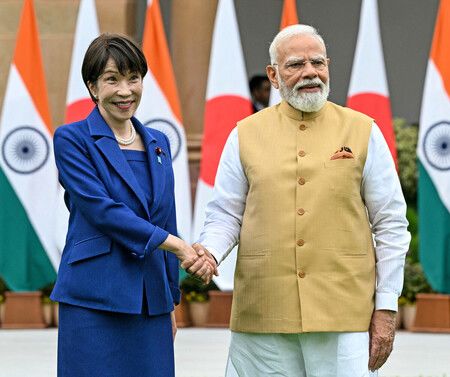
For India, which maintains close ties with Israel, this crisis is far from an abstract exercise in foreign policy. It is a direct test of its strategic autonomy and of its credibility as a responsible power.
During the Raisina Dialogue, Indian officials and strategists defended a line structured around three central ideas.
1. Strategic autonomy, not neutrality
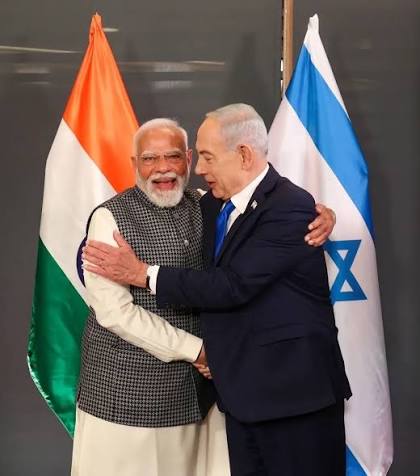
India clearly condemns terrorism and attacks against civilians while avoiding being locked into rigid blocs. It maintains strong ties with the United States, a very close friendship with Israel—Prime Minister Narendra Modi visited the Jewish state just last month—deep energy and human connections with the countries of the Gulf Cooperation Council, and a functional relationship with Iran. This balancing act is not a sign of weakness; it is India’s way of preserving room for manoeuvre in a dense and unstable region.
2. Energy security and protection of populations
Millions of Indian citizens live and work in the Gulf. A significant share of India’s energy imports passes through contested waters. Discussions at the Raisina Dialogue highlighted evacuation planning, the protection of maritime routes and energy diversification as concrete policy priorities—not mere declarations of intent.
3. A platform, if not a mediator
India does not officially play the role of mediator between the United States, Israel and Iran. Yet by bringing together in New Delhi leaders, ministers and experts from across the geopolitical spectrum, it offered a rare neutral platform where messages can be tested and informal convergences explored.
In short—somewhat like France when President Emmanuel Macron says he does not wish to wage war on anyone—India demonstrates its ability to remain firm in its principles, flexible in its practice and pragmatic in defending its interests: a combination that many European observers will find both familiar and increasingly indispensable.
Opinion Internationale